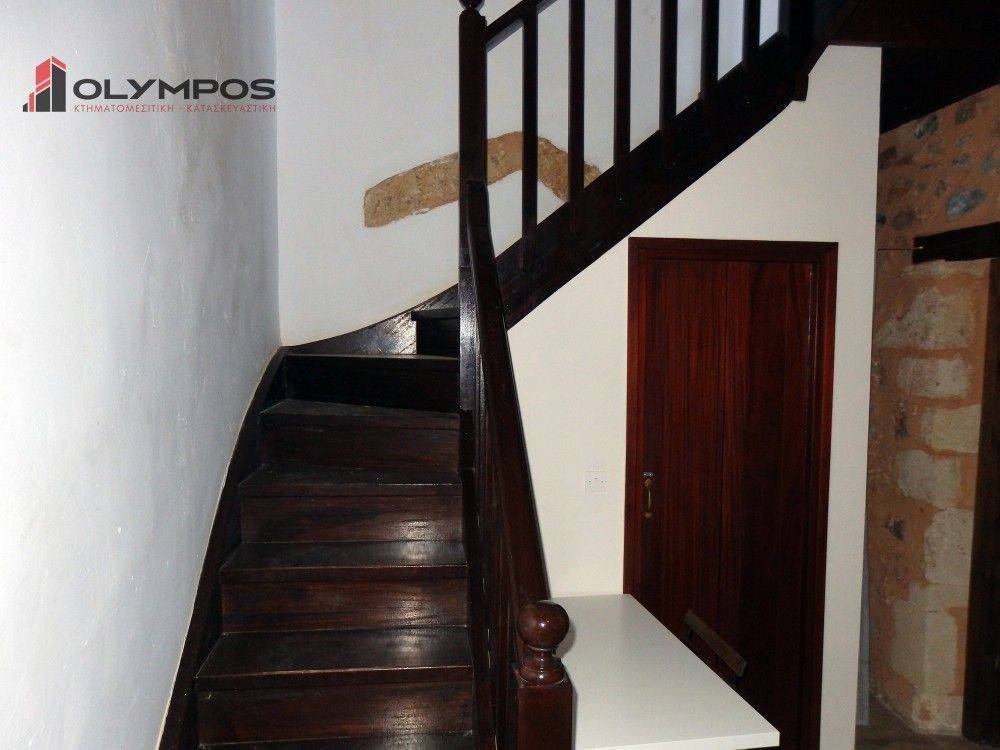
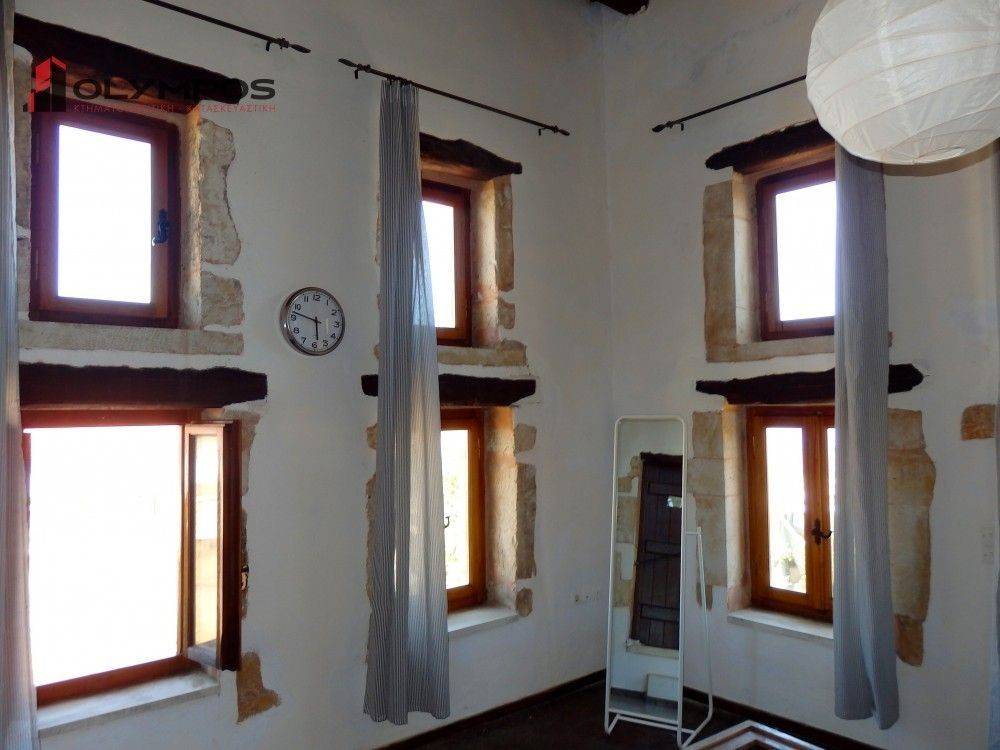
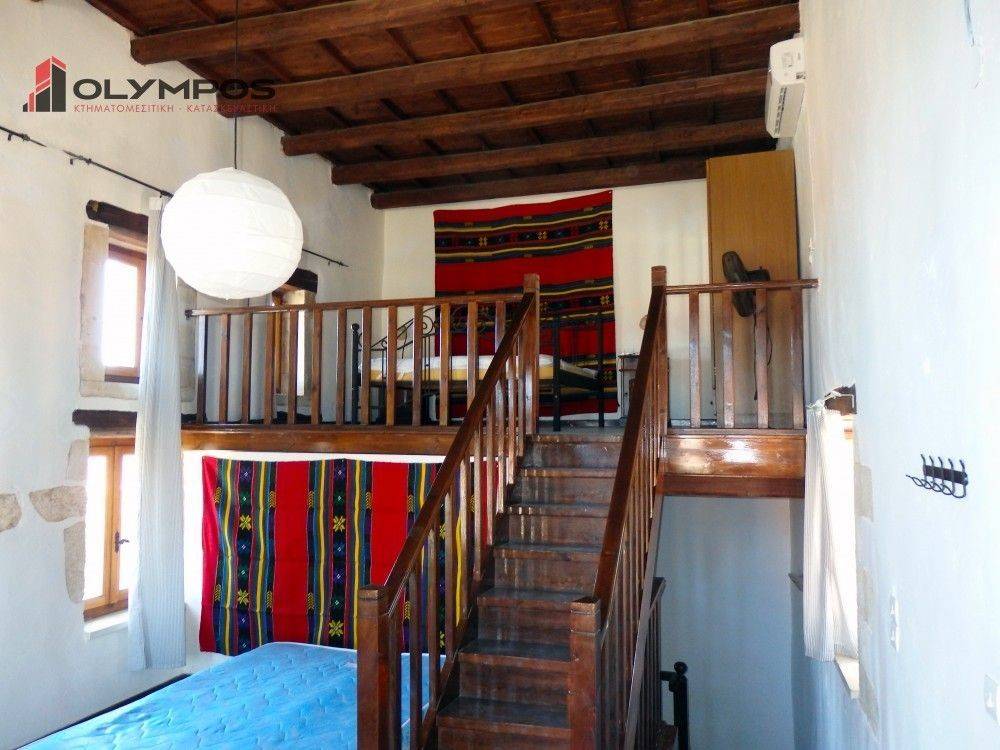
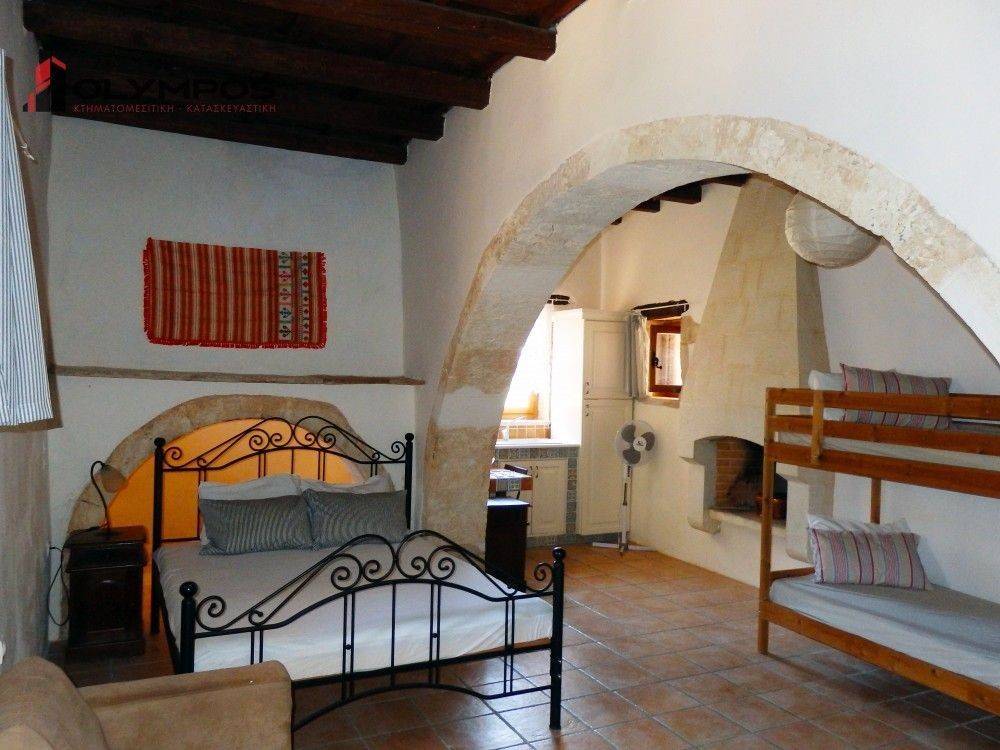

Single family villa, excellent condition, 380 m², Kefalas, Vamos
Vamosreference: 2224
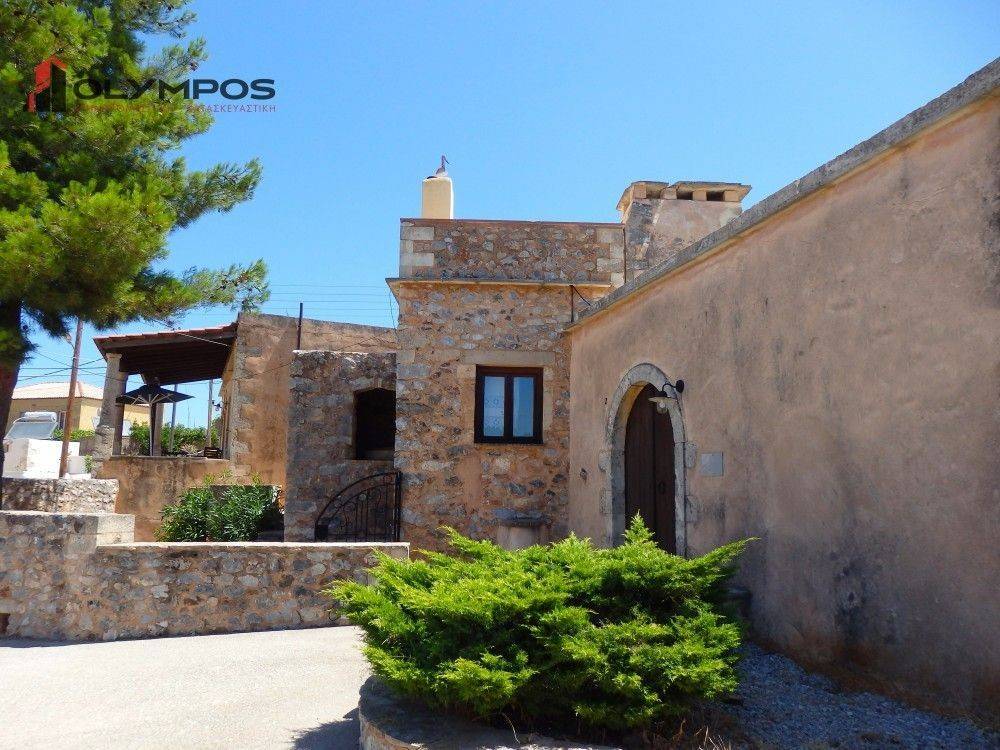
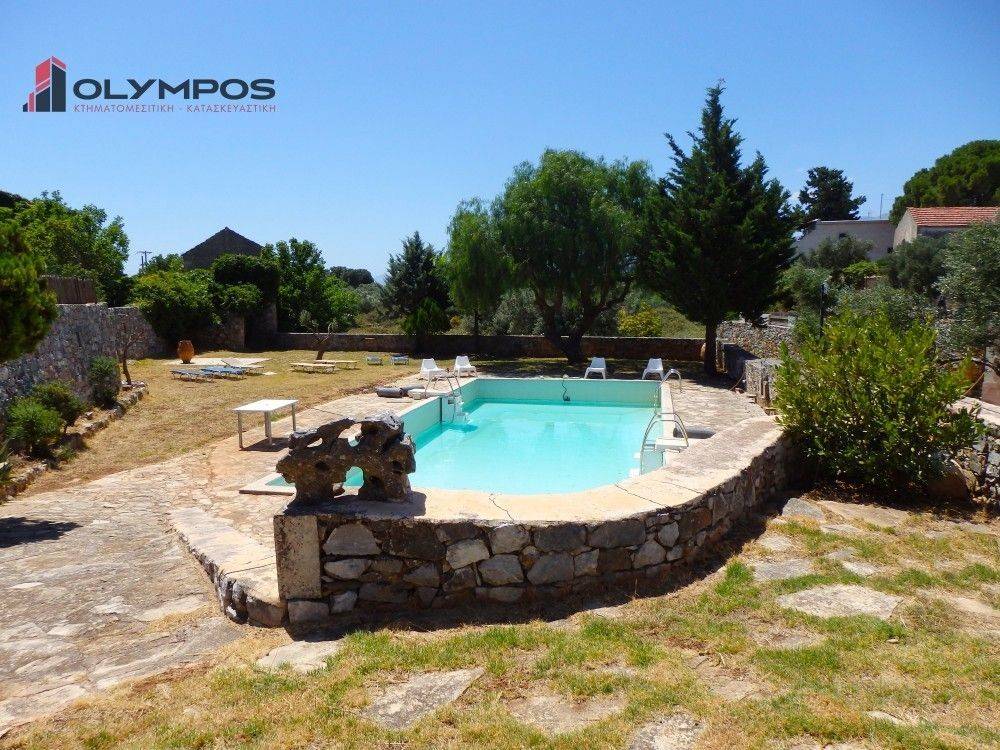
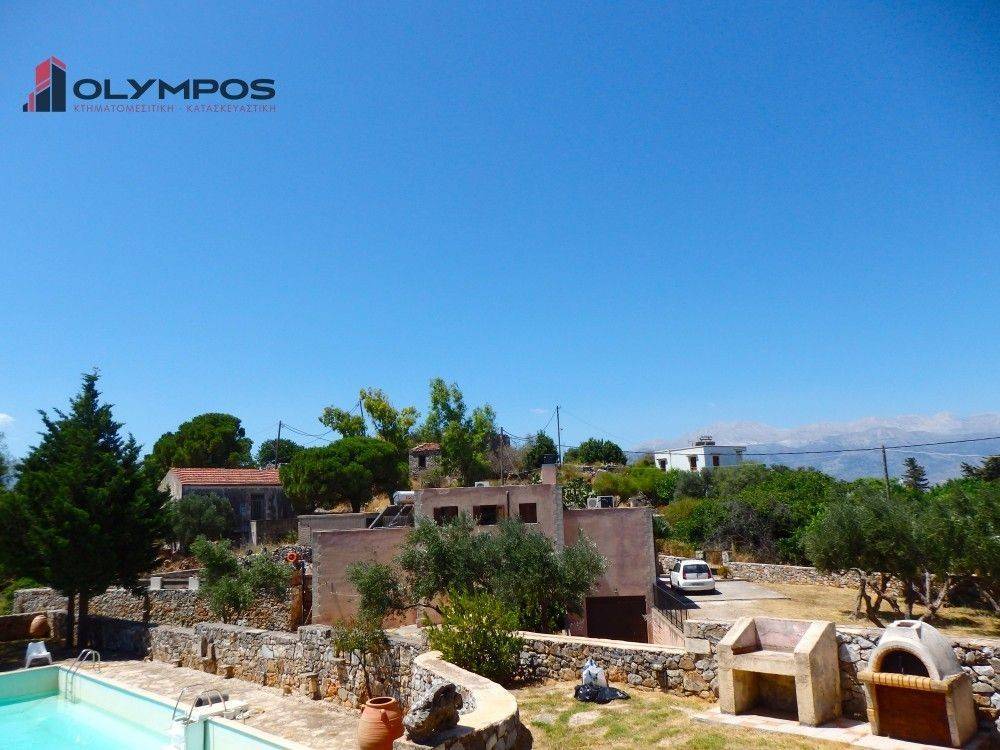
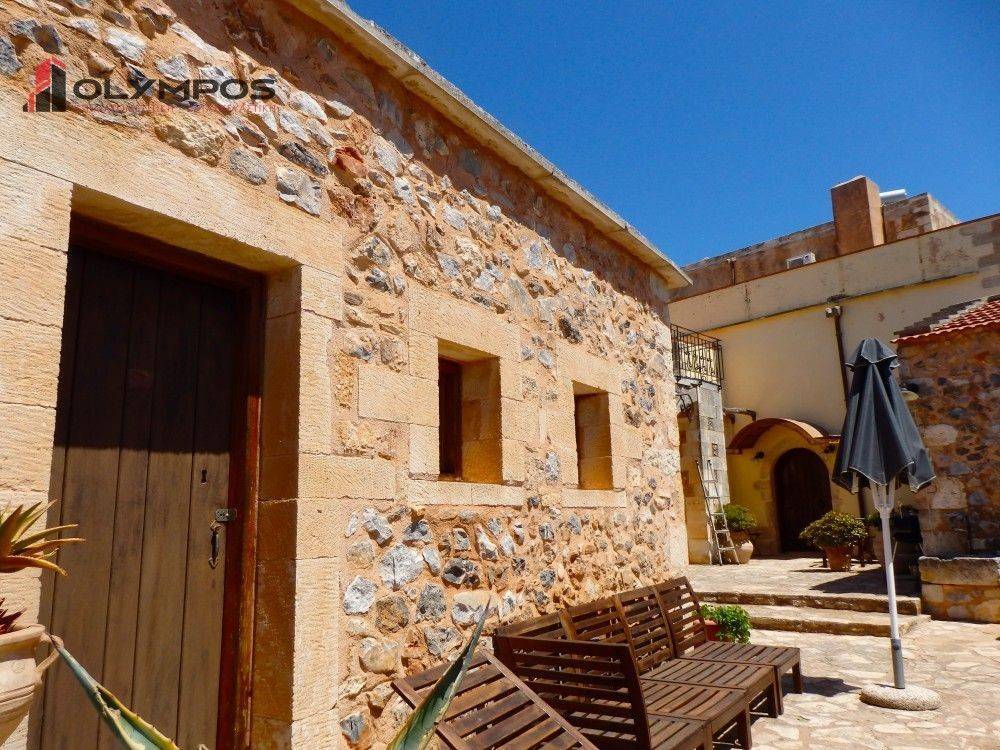
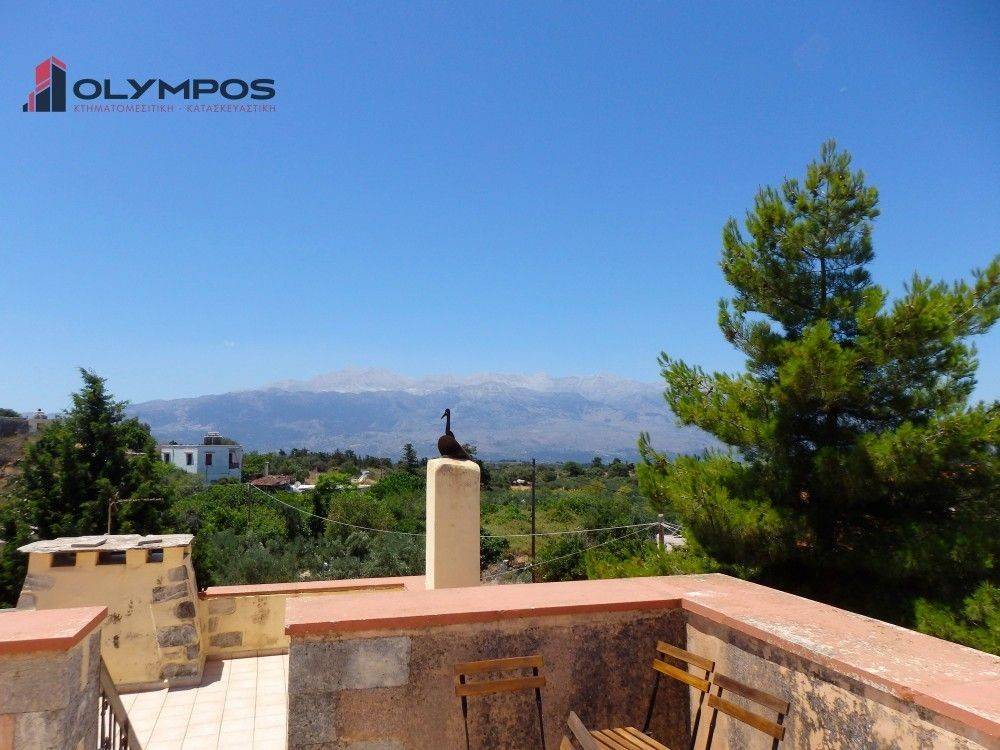
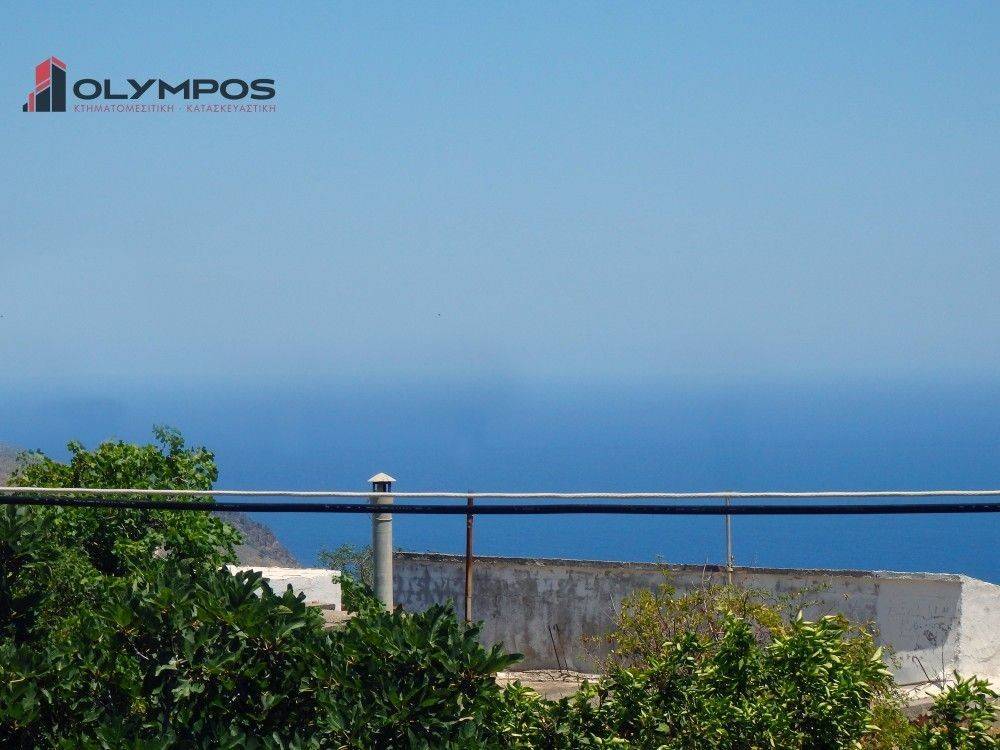
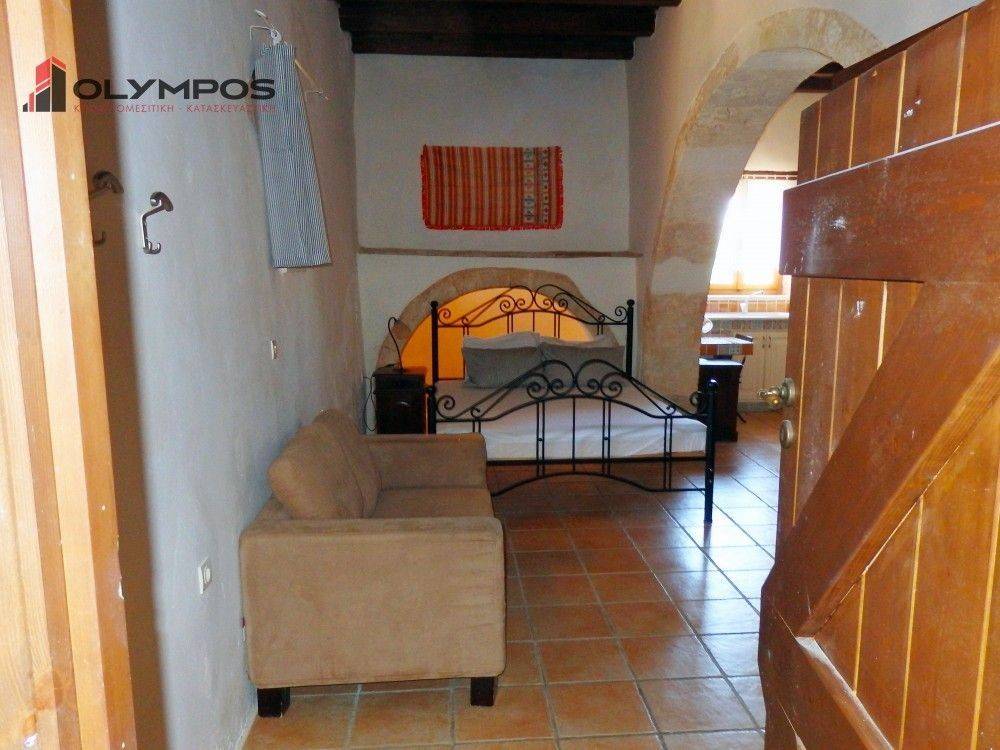
A stone-built, fully renovated villa of 380 sq.m., in a plot of 2.500 sq.m. with a pool and view at the White Mountains, in Apokoronas of Chania.
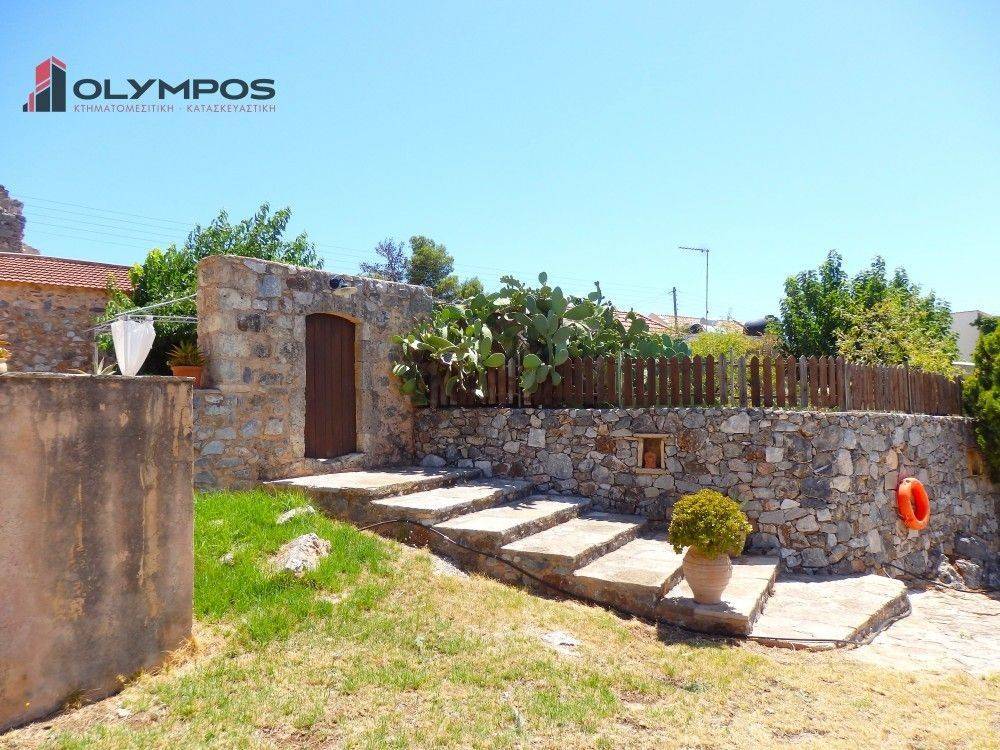
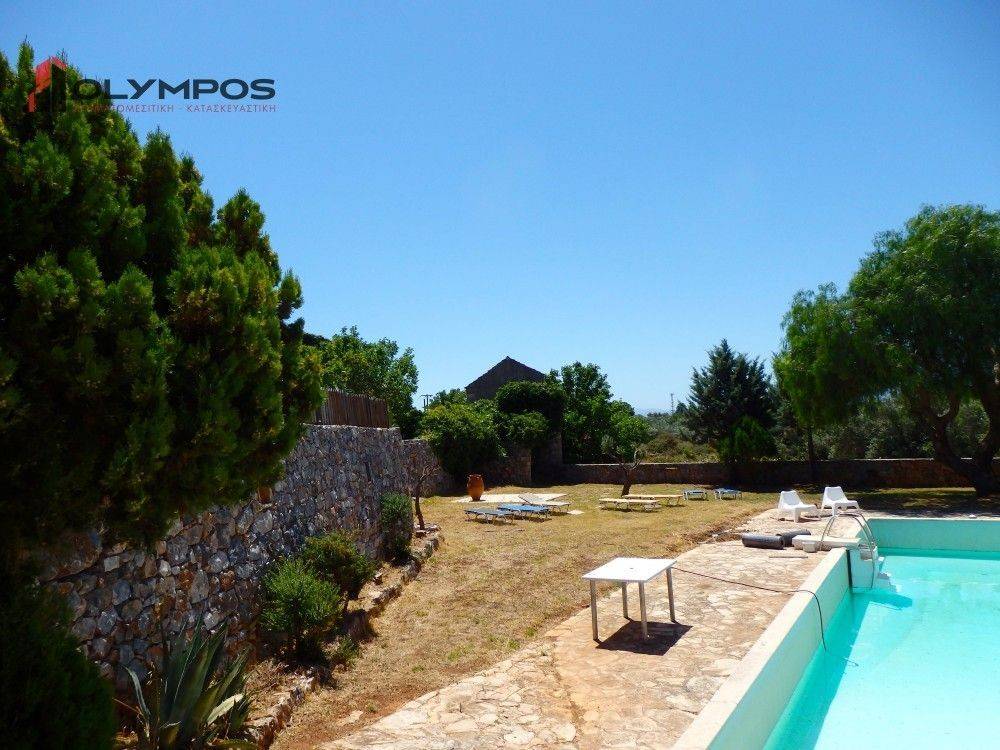
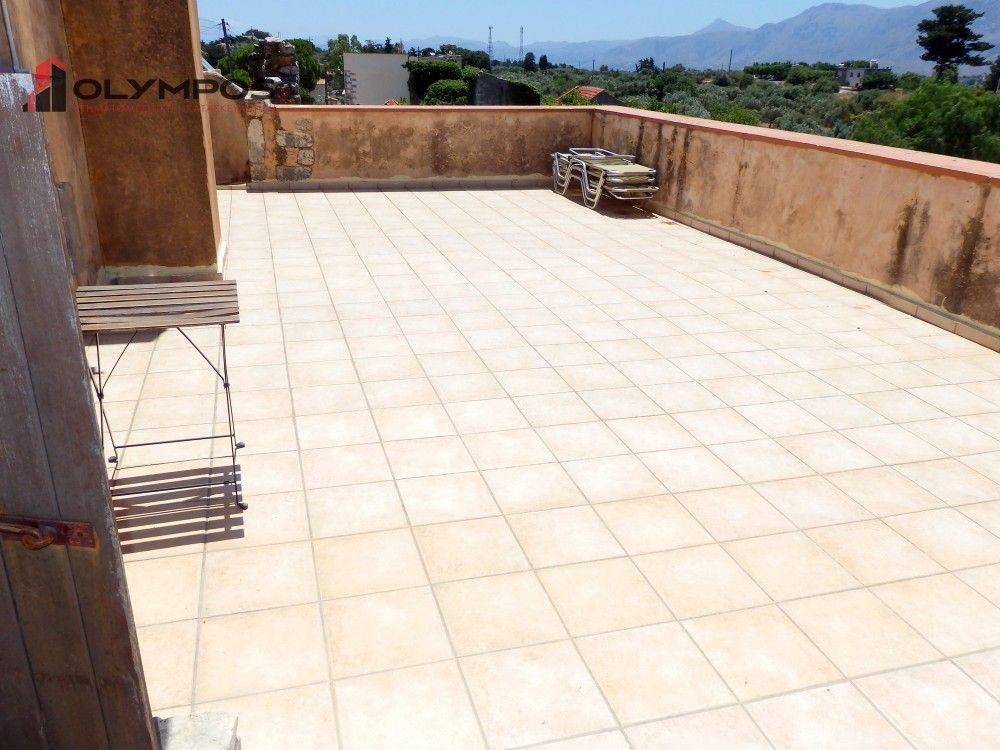
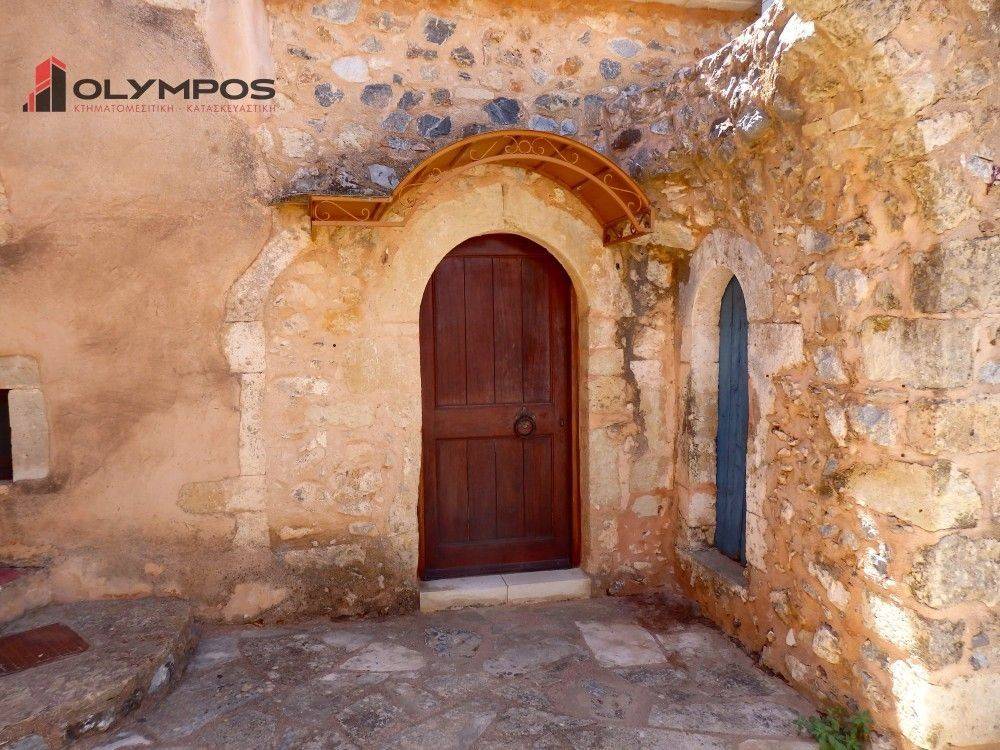
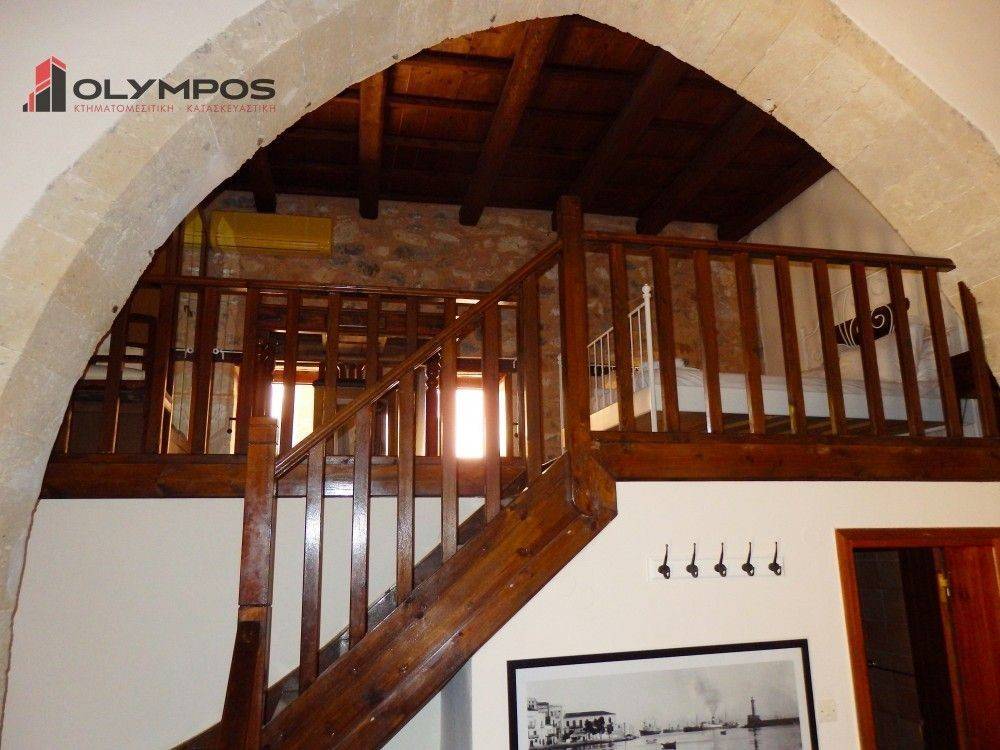
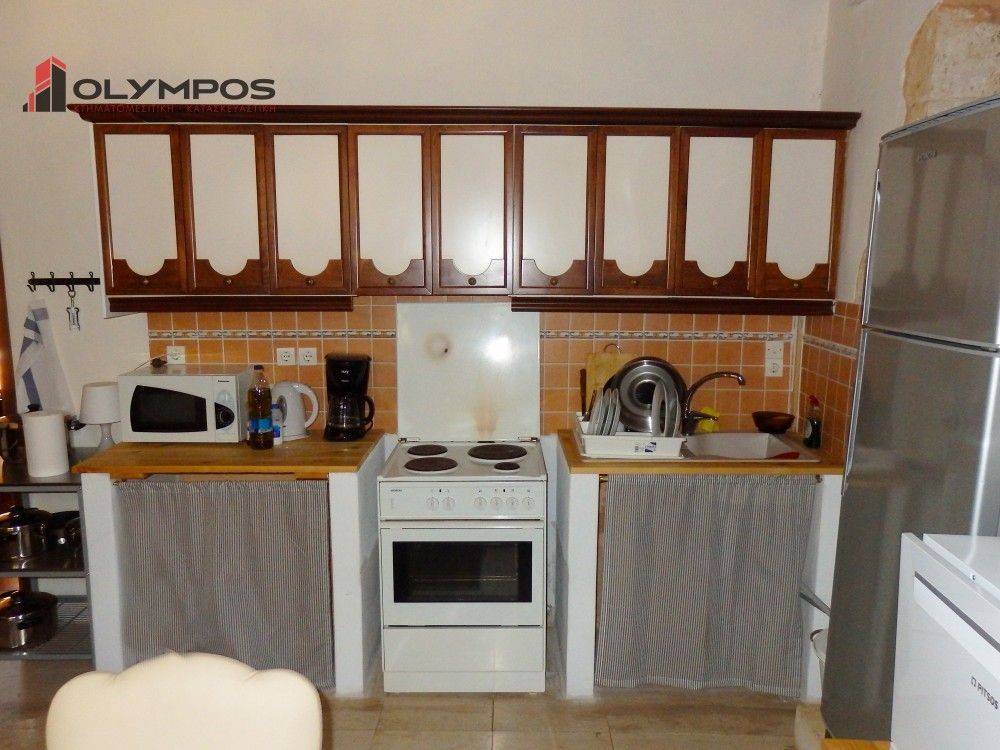
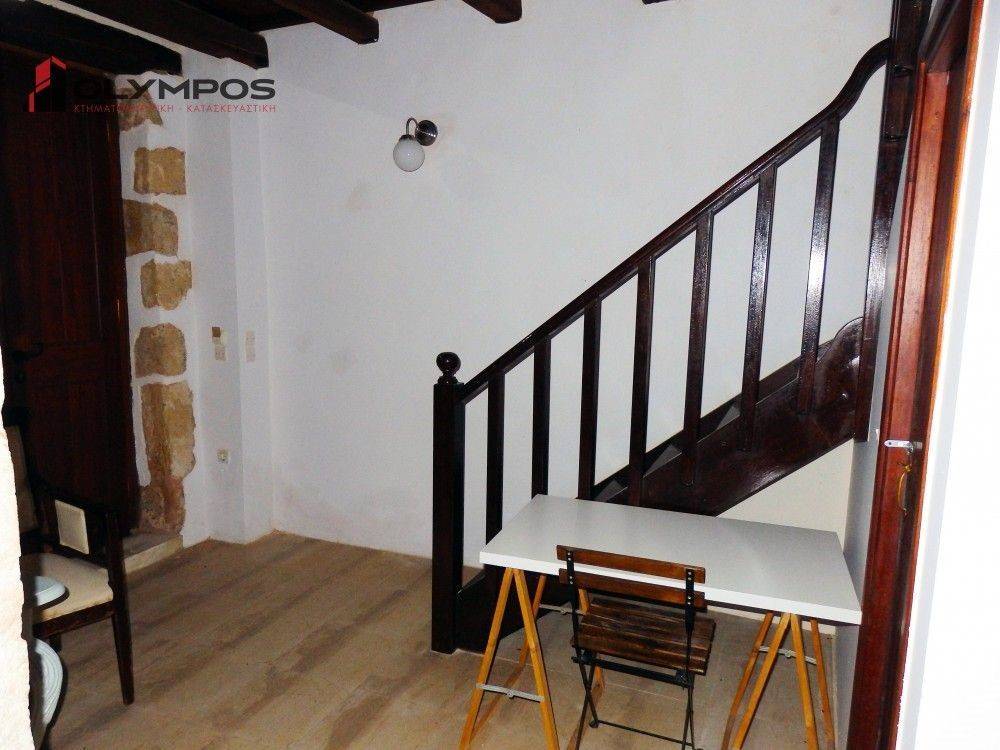
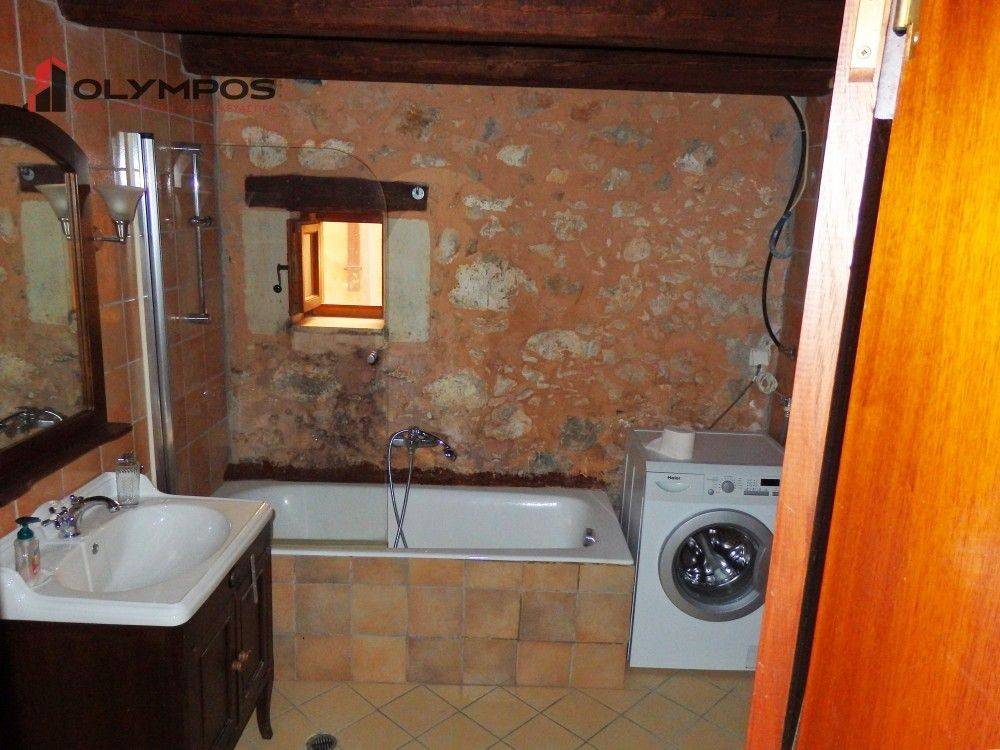
The villa is a monument of the 18th and 19th century and consists of 4 bedrooms, 4 bathrooms, living room, kitchen, a storage, garden with grass, a pool of 84 sq.m. with sunbathing area and parking space.
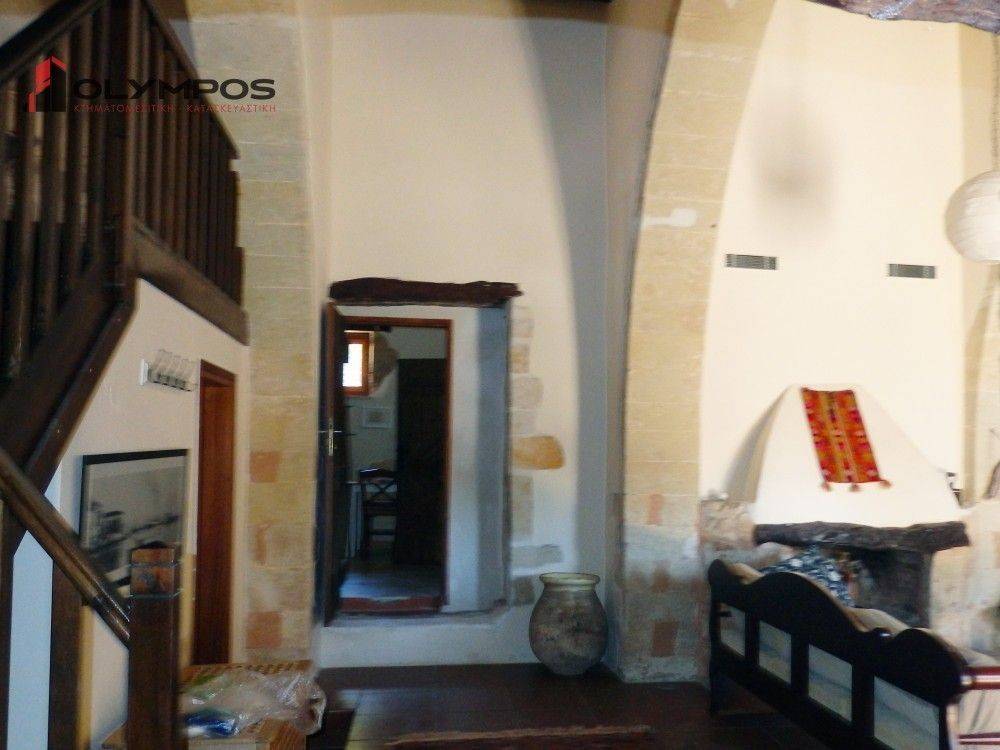
The villa is fully furnished and equipped with electrical appliances. It has aluminum frames with double glazed windows and shutters, fireplace, air-conditioning and solar panel.
It is suitable for residential and touristic use.
This building complex is of exceptional historical value. Therefore, it has been designated as a "historical preserved monument."
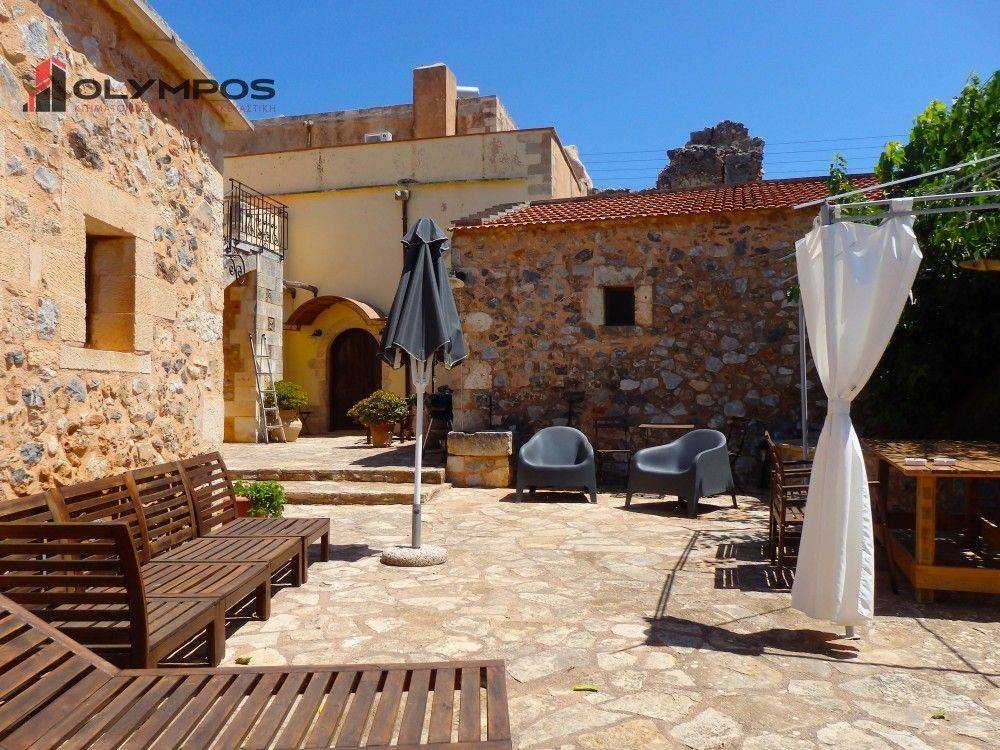
Specifically, by the decision number ΑΡΧ/Β1/Φ/38/59248/1248 of the Minister of Culture, published in the Government Gazette Β/47/19.02.1986, it was determined that: "We designate the property located in the village of Pano Kefalas in the province of Apokoronas, Chania, as a historical preserved monument, because it consists of a set of three buildings constructed from the mid-18th century to the late 19th century and expresses local architectural perceptions, as shaped by the tradition of Venetian rule in the folk art of the following centuries, as well as strong influences from the newer trend of neoclassicism in the countryside of Crete."
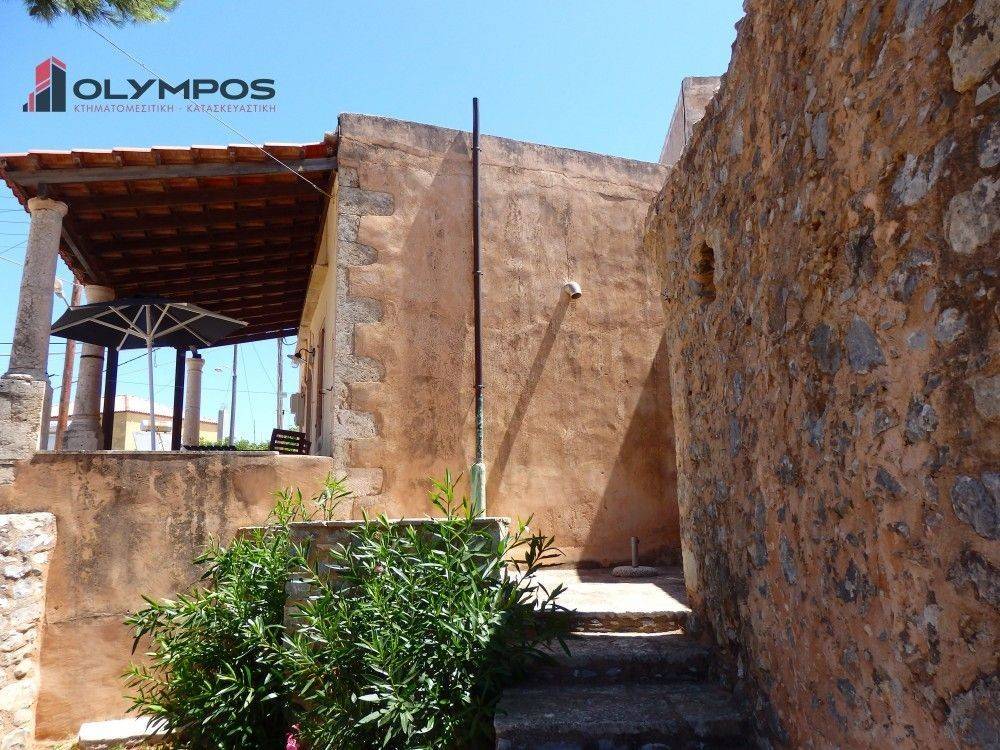
This structure consists of three buildings, which are unified with a common enclosure and internal communication.
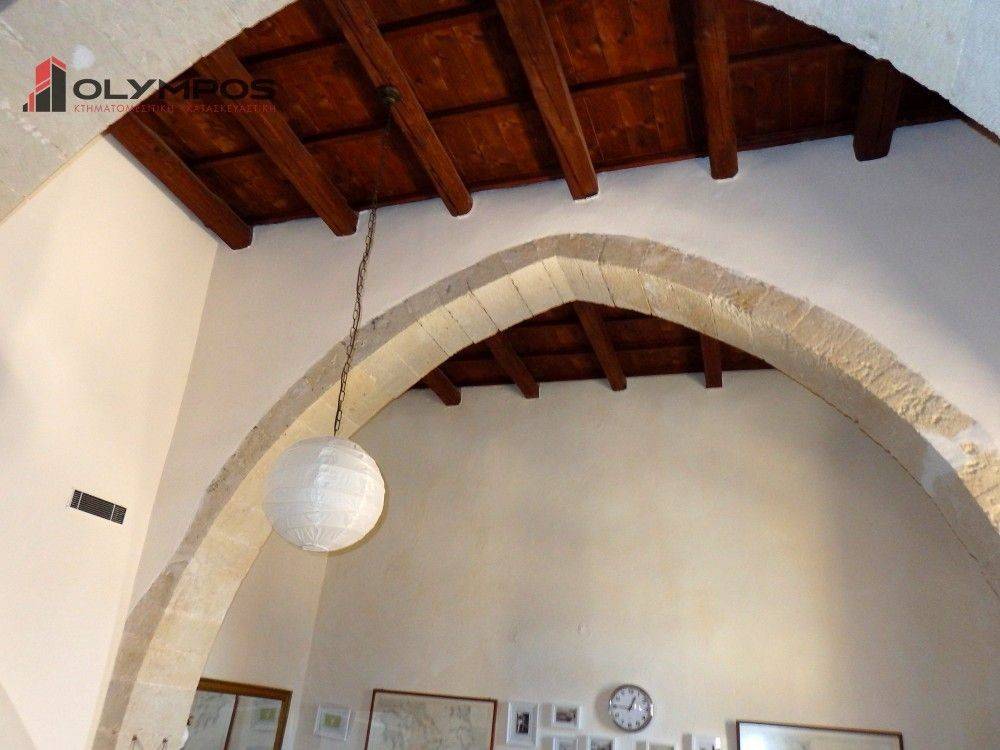
· The initial building dates back to the times of Turkish rule (18th century), a two-story structure with characteristics from the tradition of Venetian rule. On the ground floor, a large hall covered with pointed arches is preserved.
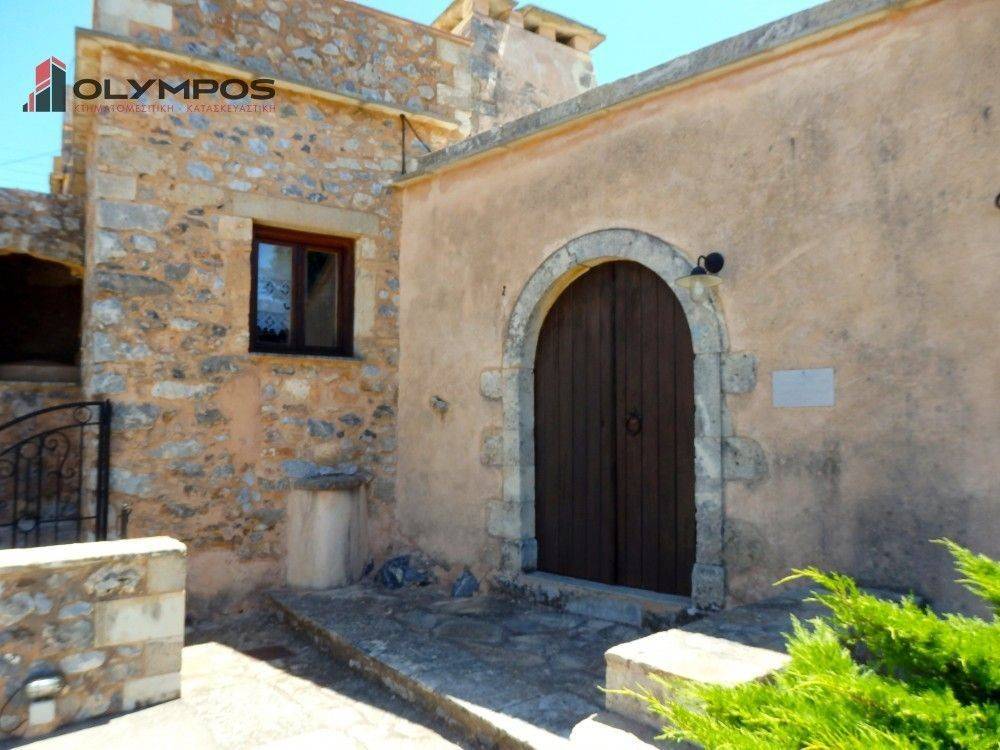
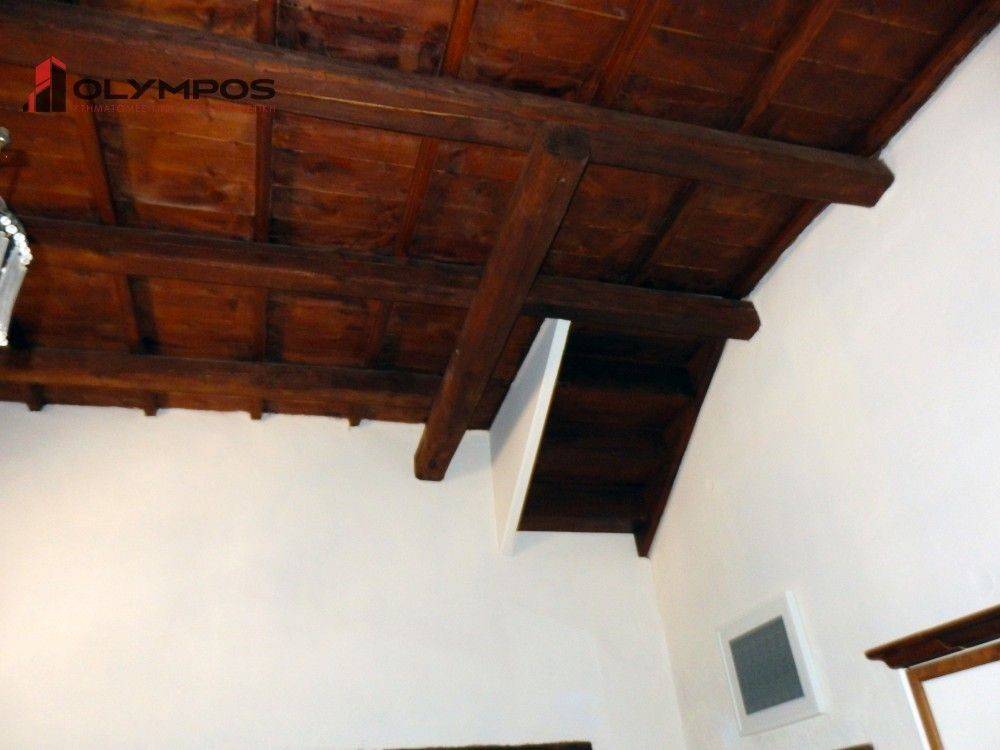
· The second building was erected in the early 19th century and is a characteristic example of local folk architecture ("kamara house"), with an arch that separates its entirety lengthwise. These two buildings are connected by a built wall with an arched entrance gate next to which a part of a private Turkish bath is preserved.
· The third building is supported on a pedestal with a covered balcony and was built at the end of the last century as a characteristic "Café."
Additionally, this building complex was also the residence of the prominent leader of the province of Apokoronas during the Cretan Revolution of 1858, Matthaios Mylonogiannis.
All the above information is derived from the website www.arxaiologikoktimatologio.gov.gr, where a special entry for this historical monument exists.
In other words, this building complex has exceptional historical value.

- Type
- Single family villa
- Contract
- Sale | Income property
- Floor
- Ground floor
- Lift
- No
- Surface
- 380 m²
- Rooms
- 5
- Bedrooms
- 4
- Bathrooms
- 3+
- Furnished
- Yes
- Balcony
- Yes
- Garage, car parking
- 4 in shared parking
- Air conditioning
- Independent, cold/hot
- Attic
- Fireplace
- Window frames in double glass / metal
- Pool
- Price
- € 1,250,000
- Price per m²
- 3,289 €/m²
- Condominium fees
- No condominium fees
Energy consumption